The first day of school can bring excitement, anticipation, and… a whole lot of feelings. New classrooms, new teachers, new peers, new routines—and for some children, all of that change can feel overwhelming.
Some anxiety around a new school year is completely normal. After all, anxiety is one of the ways our minds and bodies respond to uncertainty and change.
Sometimes anxiety looks like, “I’m nervous about school.” Other times, it looks like a stomachache, a meltdown, trouble sleeping, or suddenly refusing to get dressed.
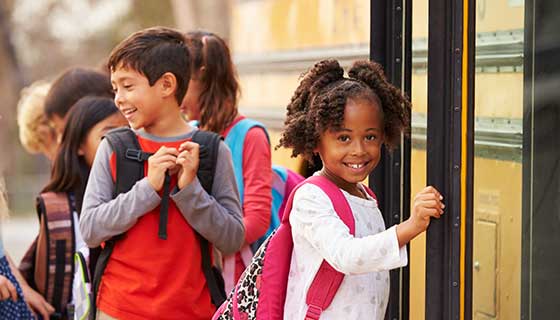
🌱 Signs & Symptoms of Anxiety in Children
Every child experiences anxiety differently, but you may notice:
- More frequent outbursts or meltdowns
- Stomachaches or headaches
- Changes in eating habits
- Changes in sleep patterns
- Avoidance of school, activities, or situations that feel overwhelming
- Increased reassurance-seeking, such as repeatedly asking what will happen or whether everything will be okay
- More clinginess or difficulty separating
This list is not exhaustive, and you know your child best. Children don’t always have the words to say, “I’m feeling anxious.” Sometimes, their behavior is how they communicate what they can’t quite put into words yet.
Rather than focusing only on stopping the behavior, it can be helpful to get curious about what the behavior might be telling you. Is your child worried about separating from you? Making friends? Keeping up academically? Finding their classroom? Sitting alone at lunch? Managing a noisy or overwhelming environment?
Sometimes a behavior that looks oppositional on the surface is a child’s way of saying, “This feels like too much for me.”
💛 So, What Can You Do?
You don’t have to eliminate your child’s anxiety. In fact, trying to convince a worried child that there’s “nothing to worry about” doesn’t always help.
Instead, the goal is to help your child feel safe, understood, and supported as they learn that they can manage difficult feelings and new experiences.
1. Create a Schedule 📅
A new routine can be a BIG adjustment. A visual schedule can help make the unknown feel a little more predictable.
Try including things like:
- Wake-up time
- Getting dressed
- Breakfast
- Leaving for school
- School
- Homework
- Dinner
- Something fun or relaxing
- Bedtime
For younger children, pictures can be especially helpful. And don’t forget to include something they can look forward to!
You might even practice the morning routine a few days before school starts. Familiarity can make the first morning feel a little less overwhelming.
2. Check In 💬
If you notice a change in your child’s behavior, gently let them know that you’ve noticed.
Instead of immediately asking, “What’s wrong?” try making an observation:
“I’ve noticed you’ve been crying in the mornings. What’s going through your mind?”
“You seem a little quieter when we talk about school. Is something on your mind?”
“I’ve noticed your stomach has been hurting in the mornings. Sometimes our bodies let us know when we’re worried about something. I wonder if there’s anything about school that’s been on your mind?”
Sometimes, less pressure = more communication. Your child may need a little time before they can identify or explain what they’re feeling.
3. Validate Before You Reassure 💛
When children tell us they’re scared, our instinct is often to make the fear go away.
“You’ll be fine!”
“There’s nothing to worry about!”
“You’re going to love your new teacher!”
Those responses come from a loving place, but sometimes children need something else first: to know that we understand.
Try:
“It makes sense that you’re nervous. There are a lot of new things happening.”
Or:
“I can understand why not knowing anyone in your class feels scary.”
Validation doesn’t mean agreeing that something terrible will happen. It means communicating: “Your feelings make sense to me, and you don’t have to handle them alone.”
4. Practice What You Can 🏫
Anxiety often grows when children don’t know what to expect. When possible, turn some of those unknowns into experiences your child can practice.
Depending on your child’s age and situation, you might:
- Visit the school or playground beforehand
- Walk or drive the route to school
- Look at pictures of the teacher or classroom
- Practice packing the backpack
- Role-play saying goodbye in the morning
- Talk through what lunchtime or dismissal might look like
- Practice what your child can say if they need help
You can’t prepare for everything—and you don’t need to. The goal is simply to make some of the unfamiliar feel a little more familiar.
5. Communicate Confidence 🌟
Children often look to the adults they trust for clues about whether a situation is safe and manageable.
That doesn’t mean you have to hide your own feelings or pretend everything will be perfect. Instead, try to communicate both empathy and confidence:
“I know this feels hard, and I believe you can do hard things. We’ll figure it out together.”
It’s possible to take your child’s anxiety seriously without letting anxiety make every decision.
Avoiding something scary can bring immediate relief, but sometimes that relief makes the fear even stronger the next time. When appropriate, gently help children keep moving toward school and other important activities so they can discover, “I was scared—and I was able to do it.”
🧸 And Remember…
Your child’s anxiety doesn’t mean you’re doing something wrong—and it doesn’t mean they’re not ready for school.
Transitions are hard!
Your job isn’t to make every uncomfortable feeling disappear. It’s to help your child know:
“I see you. I hear you. We’re going to figure this out together.” 💛
If anxiety is interfering with your child’s ability to attend school, sleep, eat, participate in activities, or enjoy their day-to-day life, consider reaching out for additional support. Your child’s teacher, school counselor, pediatrician, or a mental health professional can help you better understand what’s happening and think together about ways to support your child.
You know your child best. Trust your instincts, stay curious, and remember that behavior is communication.
-Posted by Marci Hameroff
Marci Hameroff, a therapist at Jonah Green and Associates, LLC, offers therapy for children, teens, families, and adults in North Bethesda, Maryland, serving clients in Montgomery County, DC, and the surrounding areas.