
Based in Kensington, MD, our therapists provide child and play therapy for families throughout Montgomery County, including Bethesda, Silver Spring, Rockville and surrounding communities.
Child therapy focuses on healing and strengthening children and enriching their relationships. Therapists help children accept their emotions, develop trust and confidence, and improve their behavior. The therapist usually meets separately with parents to update them on treatment progress and provide guidance and support. When children and families meet together to talk or play, sessions typically focus on helping parents understand and more effectively parent their child.
How Play Therapy Helps Kids Express Difficult Emotions
Children learn to express their emotions, improve communication, and solve problems through play and talk.
Child therapy capitalizes on children’s natural ability to express feelings and resolve conflicts through play. Therapists use various media, including storytelling, puppet play, drama, music, dance, sand play, painting, and drawing. Children sometimes explore the playroom freely, engaging in spontaneous play. At other points, they may draw family scenes, use puppets to act out events in the family, create a scene in a sand tray, tell stories, or play specially designed therapeutic board games.
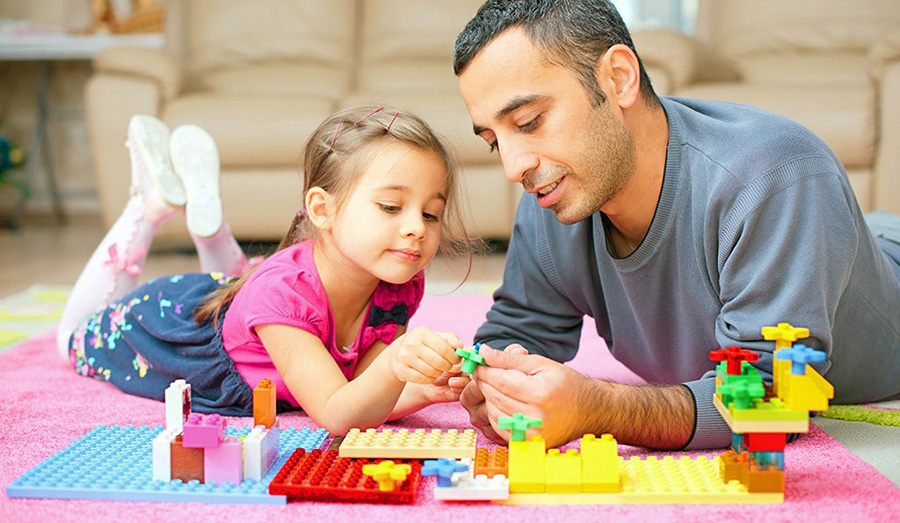
Family play therapy focuses on developing emotional bonds (including through filial play and Theraplay), improving communication, and creating harmonious living environments. Therapists might hold play sessions with siblings, engage with an individual parent and child, or play games with the entire family.
What Concerns Can Child and Play Therapy Help With?
Child therapy can heal children’s distress, bring family communication patterns to light, and help children and families discover new problem-solving techniques and strategies. It can lessen the effects of trauma and loss, reduce anxiety and depression, improve behavior, address social and academic difficulties, and strengthen family relationships.
What Parents Can Expect From Child Therapy
How long does child therapy last?
Many therapists consider twelve sessions a standard for significant and lasting improvement. Children and families can make substantial progress in a shorter time frame, primarily if they have already worked with the therapist.
How often do children and families attend child therapy sessions?
It is usually best for children and families to attend play therapy at least weekly for the first several sessions. More intense treatment can help if there is significant distress. After clients make substantial gains, many can progress by attending sessions once every two weeks or less.
How effective is child therapy?
Child therapy, especially when it involves play and includes families, is one of the most empirically validated forms of therapy. Studies indicate that it can exert positive effects for several years after the end of treatment.
Common Symptoms We Treat in Child Therapy
Children do not always have the words to explain when something feels wrong. Emotional distress may instead appear through changes in behavior, sleep, school performance, physical complaints, play, or relationships. Child and play therapy can help children express difficult emotions and develop healthier ways to cope.
What Are Common Anxiety Symptoms in Children?
Anxiety symptoms in children may include frequent worrying, irritability, trouble sleeping, separation fears, difficulty concentrating, perfectionism, avoidance, or repeated headaches and stomachaches without a clear medical cause. An anxious child may also seek frequent reassurance, resist going to school, or become distressed in unfamiliar situations.
What Behavioral Changes May Indicate That a Child Needs Support?
Parents may notice frequent emotional outbursts, aggression, withdrawal, increased fears, difficulty following routines, declining school performance, friendship problems, or a sudden loss of interest in activities. A significant change in a child’s usual behavior can be a sign that they are having difficulty managing their emotions or experiences.
How Does Play Therapy Help Children Communicate Their Feelings?
Play gives children a familiar way to communicate experiences they may not be ready or able to explain with words. Through stories, games, art, imaginative play, and a trusting relationship with the therapist, children can explore emotions, practice coping skills, solve problems, and develop a greater sense of confidence and security.
Frequently Asked Questions About Child and Play Therapy
Children may benefit from therapy when emotional, behavioral, social, or family difficulties begin to interfere with their well-being or everyday life. Parents sometimes seek help because of anxiety, sadness, frequent anger, behavior problems, difficulty at school, friendship struggles, family conflict, or a stressful life event. Therapy can also be helpful when parents simply feel that their child is struggling and are unsure how best to help.
Sessions vary depending on a child’s age, needs, and interests. Younger children often communicate and work through difficulties through play, art, stories, games, puppets, or other creative activities. Older children and adolescents may spend more time talking while also using activities that help them express feelings and solve problems. The therapist creates a safe, accepting relationship in which the child can gradually explore difficult experiences and develop new ways of coping.
Yes. Parents are an important part of successful child therapy. The therapist may meet separately with parents for consultation and support, invite parents into some sessions with their child, or work with the whole family. The amount and type of parent involvement depends on the child’s age and the concerns bringing the family to therapy.
Children need some privacy in order to develop trust with their therapist, but parents also need enough information to understand how treatment is progressing and how they can help. Therapists work to balance these needs. Parents are generally kept informed about treatment goals, progress, and important concerns while allowing children an appropriate degree of confidentiality.
Play is a child’s natural way of communicating, exploring relationships, and making sense of experience. In play therapy, a trained therapist pays careful attention to the themes, emotions, relationships, and patterns that emerge in a child’s play and responds in ways designed to promote emotional growth. The therapist may also use particular games or activities to help children express feelings, practice skills, strengthen relationships, or approach difficult experiences safely.
Often, yes. A child’s difficulties occur within relationships, and changes in family interactions can make an important difference. Child and family therapists can help parents better understand their child’s experience, improve communication, reduce conflict, strengthen emotional connections, and develop more effective ways of responding to difficult behavior.
The first step is usually a conversation with a therapist about your child and your concerns. This gives parents an opportunity to describe what has been happening, ask questions, and consider whether the therapist and approach seem like a good fit for their child and family.
If you are interested in play therapy for your child, please call us at 301-466-9526 or email us at info@jgatherapy.com